Ambient Storage in Saudi Arabia: A 2026 Guide to Protecting Everyday Inventory
Choosing the right ambient storage in Saudi Arabia is one of the quietest yet most important decisions a growing business can make. Not every product needs a refrigerated room or a deep-freeze vault. A huge share of the goods moving through Dammam, Riyadh, and Jeddah simply need a clean, dry, temperature-stable space that sits comfortably at room conditions. Get that space right and you protect margins, reduce spoilage, and keep fulfilment fast. Get it wrong and you invite pests, moisture damage, and stock you can no longer sell.
This guide walks through what ambient storage really means in the Saudi climate, how it differs from chilled and frozen options, and how to pick a facility that keeps your inventory in sellable condition all year round.
What Is Ambient Storage and Who Needs It?
Ambient storage keeps products at normal indoor room temperature, typically between 15°C and 25°C, without active refrigeration. The goal is stability rather than cold. The space is protected from direct sunlight, humidity spikes, dust, and the punishing outdoor heat that defines much of the Kingdom’s summer.
It is the workhorse category of the storage world. Most non-perishable goods live here comfortably, which makes it the default choice for retailers, e-commerce sellers, importers, and light manufacturers.
- Packaged dry foods, grains, rice, and canned goods
- Household products, cleaning supplies, and cosmetics
- Textiles, apparel, and footwear
- Furniture, hardware, and building accessories
- Paper goods, stationery, and packaging materials
- Many electronics and consumer devices that only require dry, dust-free conditions
Why the Saudi Climate Makes Ambient Storage Harder Than It Looks
In milder climates, a warehouse is often just four walls and a roof. In Saudi Arabia, that same building can become an oven. Summer temperatures in Dammam and along the Eastern Province regularly climb past 45°C, and coastal humidity adds an extra layer of risk. Warehouses without proper insulation and ventilation trap heat, and trapped heat degrades products fast.
Heat and moisture together cause the most damage. Cardboard weakens, adhesives fail, cosmetics separate, and electronics develop condensation. A facility that calls itself “ambient” but cannot hold a steady internal temperature is really just an uncontrolled shed. That distinction matters enormously for anyone importing goods through Dammam’s ports and holding them before distribution.
According to guidance from the U.S. Food and Drug Administration, temperature and humidity control are central to preventing spoilage and preserving product integrity, principles that apply just as firmly to dry goods as they do to perishables.
Ambient vs Chilled vs Frozen: Choosing the Right Temperature Band
Many businesses store a mix of products, so understanding the difference between temperature bands helps you avoid overpaying for cold space you do not need, or worse, storing sensitive stock in the wrong environment.
| Storage Type | Typical Temperature | Best For | Relative Cost |
|---|---|---|---|
| Ambient | 15°C to 25°C | Dry goods, packaged food, textiles, electronics | Lowest |
| Chilled | 2°C to 8°C | Dairy, fresh produce, pharmaceuticals | Medium |
| Frozen | -18°C or below | Meat, seafood, frozen ready meals | Highest |
Businesses that handle perishables often need a partner who can span all three bands. If your catalogue includes items that must stay deeply cold, pairing your dry inventory with a provider that also offers reliable Frozen Storage in Saudi Arabia keeps your entire supply chain under one roof and one contract, which simplifies logistics considerably.
What to Look For in a Dammam Ambient Storage Facility
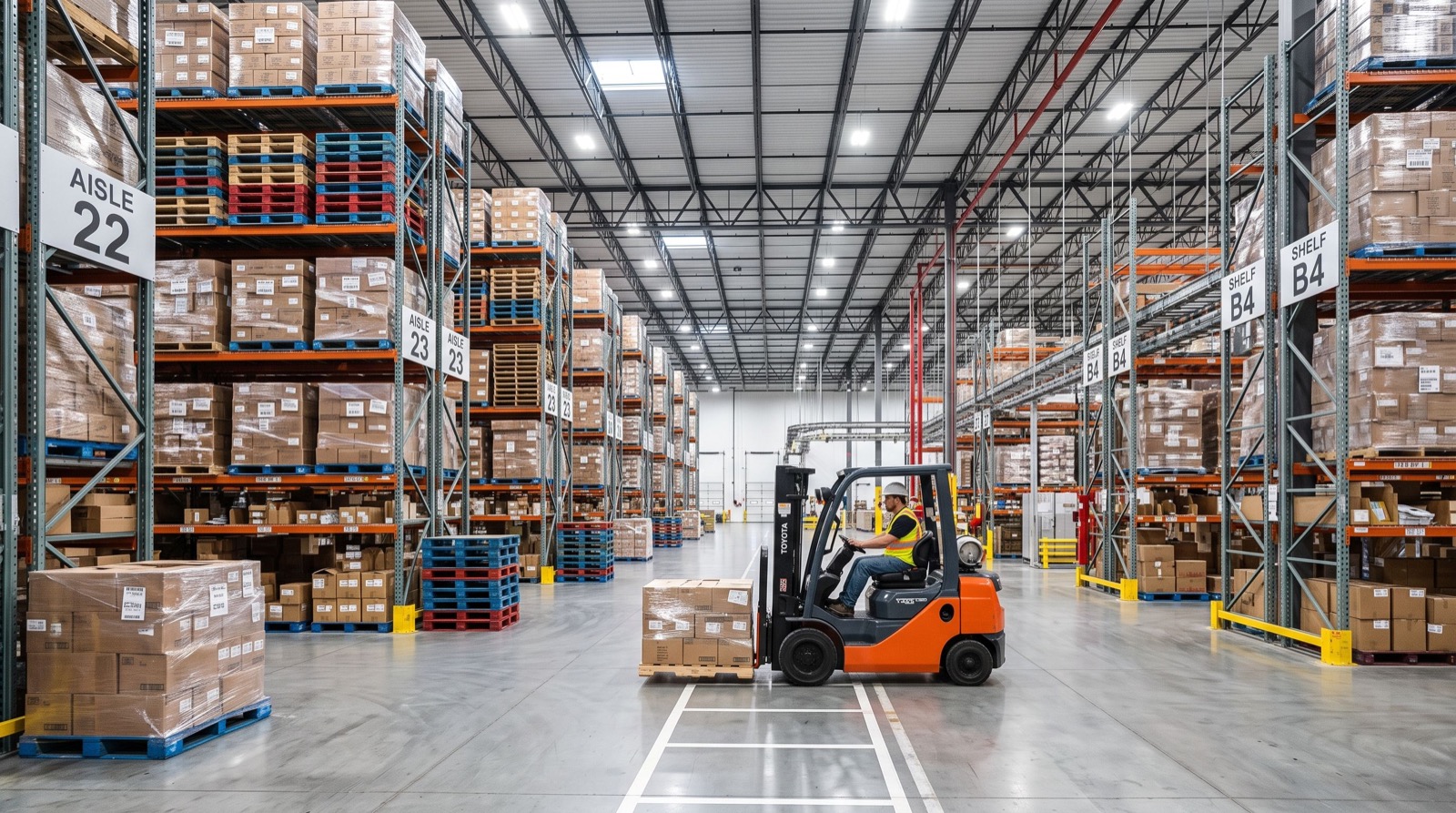
Not all warehouse space is equal. When evaluating a facility in the Eastern Province, look beyond the price per square metre and inspect the fundamentals that actually protect your goods.
1. Insulation and temperature stability
Ask how the building holds temperature through a July afternoon. Insulated panels, reflective roofing, and proper ventilation separate a genuine ambient facility from a hot metal box.
2. Humidity and pest control
Coastal Dammam carries humidity risk. A good facility monitors moisture and runs a documented pest management programme, essential for food-grade and textile storage.
3. Security and access
Round-the-clock CCTV, controlled entry, and clear inventory records protect against loss and give you confidence when stock levels are high.
4. Flexible space and location
Proximity to King Abdulaziz Port and the region’s highways cuts transport time. Purpose-built facilities such as Ambient Storage in Dammam combine climate-appropriate design with strong logistics access, which is exactly the mix importers and retailers need.
How Much Ambient Storage Do You Actually Need?
Overbooking space wastes money, while underbooking forces you into overflow arrangements that fragment your inventory. A simple planning approach helps.
- List your average and peak inventory levels across a full year.
- Account for seasonal surges, such as Ramadan restocking or year-end retail.
- Add roughly 15 to 20 percent buffer space for aisles, picking, and growth.
- Decide whether you need short-term flexibility or a fixed long-term lease.
Many Saudi businesses now prefer flexible, scalable agreements over rigid long leases, especially in fast-moving e-commerce. Working with experienced quality service providers means you can scale up during peak season and scale back afterwards without carrying dead space on your books.
Practical Tips From the Warehouse Floor
Beyond picking a facility, a few operational habits keep ambient inventory in top condition. These are the small disciplines that separate smooth operations from costly write-offs.
- Rotate stock on a first-in, first-out basis to avoid ageing inventory at the back of the racks.
- Keep products off the floor on pallets to protect against moisture and improve airflow.
- Leave clear gaps between racking and exterior walls, which are the hottest surfaces in summer.
- Label boxes clearly and maintain a digital inventory so nothing gets lost or forgotten.
- Inspect incoming shipments for damage or pests before they enter the main storage area.
Frequently Asked Questions
What temperature is considered ambient storage?
Ambient storage generally maintains a stable range between 15°C and 25°C without active refrigeration. In Saudi Arabia, the challenge is holding that range through extreme summer heat, which requires proper insulation and ventilation rather than simple shelter.
Is ambient storage suitable for electronics?
Yes, many electronics store well in dry, dust-free ambient conditions. The main risks are humidity and heat, so a controlled ambient facility that manages moisture is ideal for consumer devices, accessories, and packaged tech products.
How is ambient storage different from a normal warehouse?
A normal warehouse offers shelter but may not control temperature or humidity. Genuine ambient storage actively keeps conditions stable and protects goods from heat spikes, moisture, dust, and pests, which matters enormously in the Saudi climate.
Can one provider handle ambient, chilled, and frozen goods together?
Yes, the best storage partners offer all three temperature bands under one operation. This lets businesses with mixed inventory consolidate contracts, simplify logistics, and reduce the number of vendors they manage.
Final Thoughts
Reliable ambient storage in Saudi Arabia is the foundation of a healthy supply chain for most retailers, importers, and e-commerce sellers. In a climate as demanding as the Eastern Province, the difference between a properly designed facility and an ordinary shed shows up directly in your spoilage rates and your bottom line. Prioritise temperature stability, humidity control, security, and flexible space, and your inventory will stay sellable from the day it arrives to the day it ships. If your catalogue also includes perishables, choose a partner who can span every temperature band, so your entire operation runs on one dependable system.