Yard Odor Control: How to Eliminate Dog Waste Smell for Good
Nothing ruins a backyard barbecue faster than that unmistakable whiff. Real yard odor control goes beyond masking the smell. It means removing the source, neutralizing the bacteria, and stopping the odor from coming back. In 2026, dog owners are discovering that a fresh-smelling yard is completely achievable with the right routine. This guide shows you exactly how to get there.
Where Dog Waste Odor Actually Comes From
The smell is not just the visible pile. As waste breaks down, bacteria release ammonia and sulfur compounds that soak into soil and grass, lingering long after the pile itself is gone. That is why a yard can still stink even after you have scooped every pile you can see. The odor is trapped in the ground beneath.
Excess nutrients from that breakdown also harm your lawn and can wash into waterways, which the EPA identifies as a pollution source. Odor control and environmental care genuinely go hand in hand.
The Three-Step Odor Elimination Method
Beating yard odor takes a system, not just a spray:
- Remove the source. Scoop every pile consistently, with no exceptions. Odor cannot fade if the source keeps growing.
- Neutralize with enzymes. Enzyme cleaners break down the odor-causing compounds that bleach and air freshener only mask.
- Prevent recurrence. Establish a designated potty zone and a regular cleanup schedule you actually keep.
Why Enzyme Cleaners Beat Everything Else
Air fresheners cover odor for an hour. Bleach kills some bacteria but not the embedded compounds. Enzyme cleaners actually digest the organic molecules causing the stench, eliminating it at the source rather than hiding it. Apply them generously to hot spots and let them dwell for the full time listed on the label for best results.
Odor Control Products Compared
| Method | How It Works | Lasting Effect |
|---|---|---|
| Air freshener | Masks the smell | Poor, hours only |
| Bleach solution | Kills surface bacteria | Fair, smell can return |
| Enzyme cleaner | Digests odor compounds | Excellent |
| Garden lime | Neutralizes soil acidity | Good for lingering soil odor |
The Tools That Stop Odor at the Source
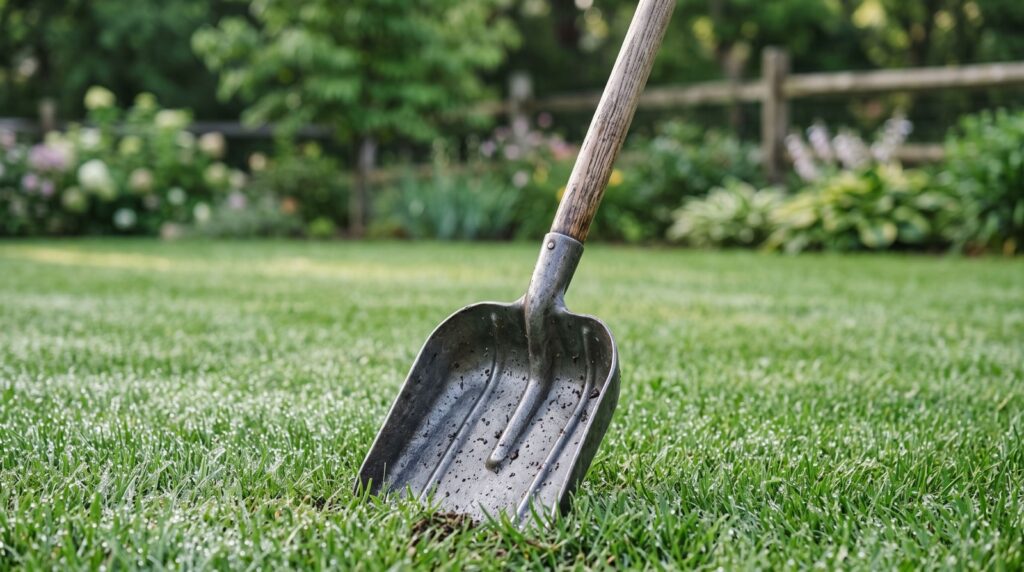
Odor control starts with fast, complete removal. A sturdy Heavy Duty Pooper Scooper lifts every bit cleanly, so no residue is left behind to break down and stink up the soil. A tool that smears rather than lifts actually makes the odor problem worse.
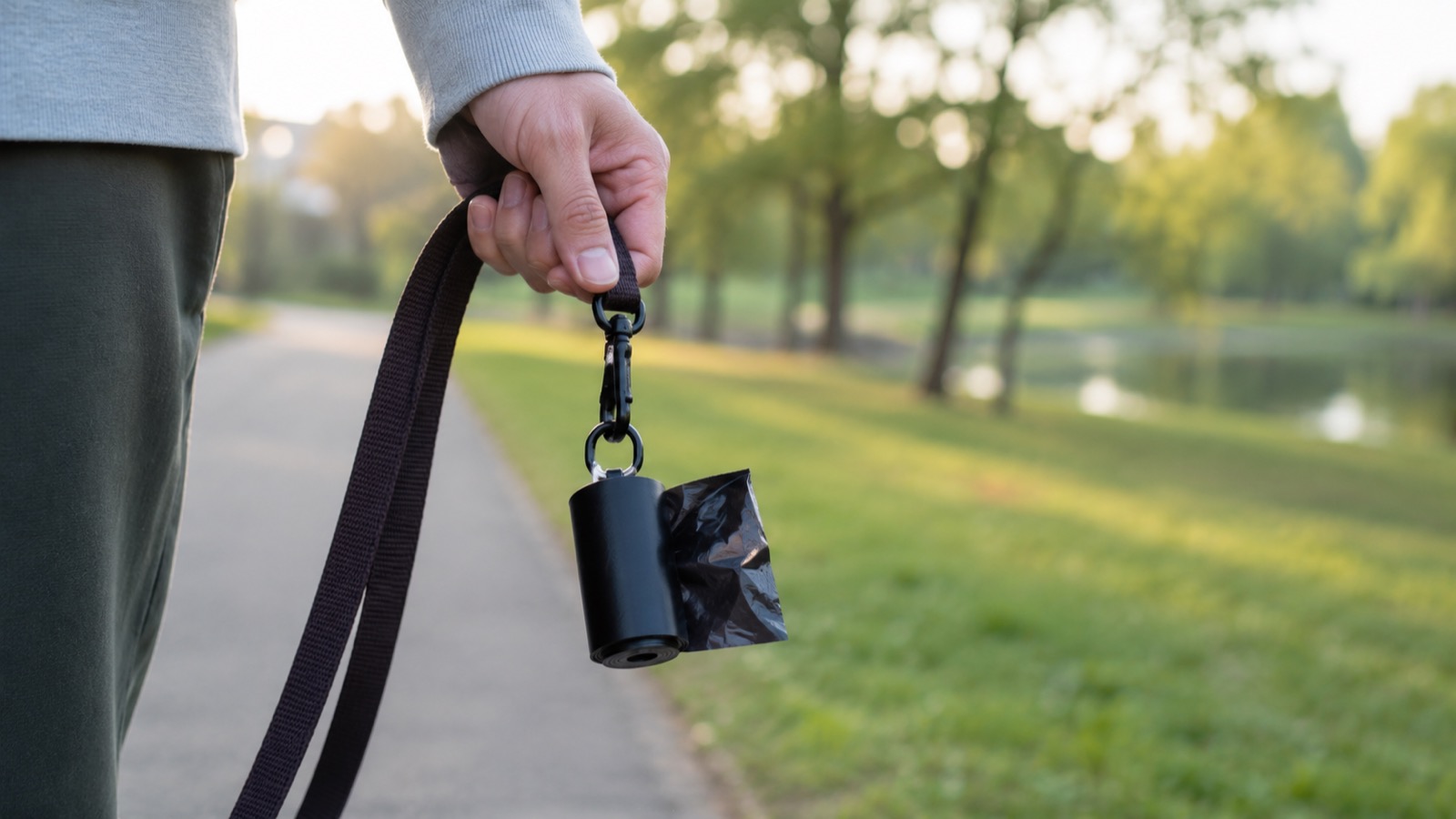
Sealing waste matters just as much as collecting it. Odor-locking heavy duty bags keep the smell contained in your bin instead of wafting across the patio on a hot afternoon when guests arrive.
Seasonal Odor Tips
Summer heat accelerates bacterial breakdown, so scoop more often and deodorize weekly in warm months. In humid climates, improving yard drainage and trimming shade-heavy areas helps the ground dry faster, which naturally cuts down on lingering smell.
A Weekly Odor-Control Schedule
Fighting odor works best as a light, regular habit rather than an occasional deep clean. Spreading small tasks across the week keeps smell from ever building to the point where guests notice it. Here is a simple schedule that keeps a yard consistently fresh:
- Daily: Scoop fresh waste before it starts breaking down and releasing gas.
- Twice weekly: Rinse the potty zone and any hard surfaces the dog uses.
- Weekly: Apply enzyme cleaner to the main hot spots and let it dwell.
- Monthly: Clean the outdoor bin and refresh gravel or mulch areas as needed.
Following even a loose version of this schedule stops odor from ever gaining a foothold. The tasks are quick, and because you never let the smell build, you never face the miserable deep-scrub sessions that come from neglect. A fresh yard becomes the default rather than a periodic project.
When Odor Will Not Quit
Sometimes years of buildup have saturated the soil, and no amount of DIY spraying fully clears it. In those cases, a professional deep clean plus commercial-grade deodorizing does what a garden hose cannot. Many owners bring in trusted professionals for a full reset, then maintain the fresh result with a simple weekly routine of their own.
Odor Control Beyond the Grass
The lawn is not the only source of yard smell. Patios, decks, gravel runs, and even the trash bin all trap odor if you ignore them. A truly fresh yard means treating every surface your dog uses, not just the grass.
Do not overlook these odor hot spots:
- Concrete and pavers. Waste residue soaks into porous stone. Scrub with an enzyme cleaner, then rinse thoroughly.
- Gravel potty zones. Rinse periodically and refresh the top layer once or twice a year.
- The outdoor bin. A dedicated, lidded waste bin cleaned monthly keeps the worst smell contained.
- Fence lines and corners. Male dogs mark these repeatedly, so give them extra attention.
Natural Odor Helpers
Beyond commercial cleaners, a few natural allies help. Good drainage keeps the ground drier and less smelly. Sunlight naturally breaks down surface bacteria, so trimming overgrown shade can help a damp corner recover. Agricultural lime, used sparingly, neutralizes acidic soil that holds odor. Combined with a solid scooping routine, these touches keep the whole yard smelling clean rather than just the lawn itself.
Frequently Asked Questions
Why does my yard still smell after I scoop?
Odor-causing bacteria and compounds soak into the soil and grass. Removing the pile helps, but you also need an enzyme cleaner to neutralize what is embedded below the surface.
Does bleach get rid of dog waste smell?
Bleach kills some surface bacteria but does not digest the embedded odor compounds, so the smell often returns. Enzyme cleaners work far better.
How often should I deodorize the yard?
Treat hot spots weekly to monthly, depending on how many dogs you have and how heavily they use the same areas.
Can I prevent odor entirely?
Consistent daily or twice-weekly removal plus a designated potty zone prevents most odor from ever developing in the first place.
Conclusion
Yard odor control is a system: remove the source, neutralize with enzymes, and prevent recurrence with a steady routine. Skip the air fresheners that only mask the problem and attack it where it lives instead. Follow this plan in 2026, and your backyard will smell clean and stay that way, ready for guests, kids, and dogs alike.